HEART HEALTH JOURNAL
Understanding High Blood Pressure and Heart Health
A high reading can be worrying, especially if you feel well. Blood pressure is best understood as a pattern, measured carefully and considered alongside your medical history. Keeping a useful record can make your next appointment much more productive.
Patient information · Updated September 2026
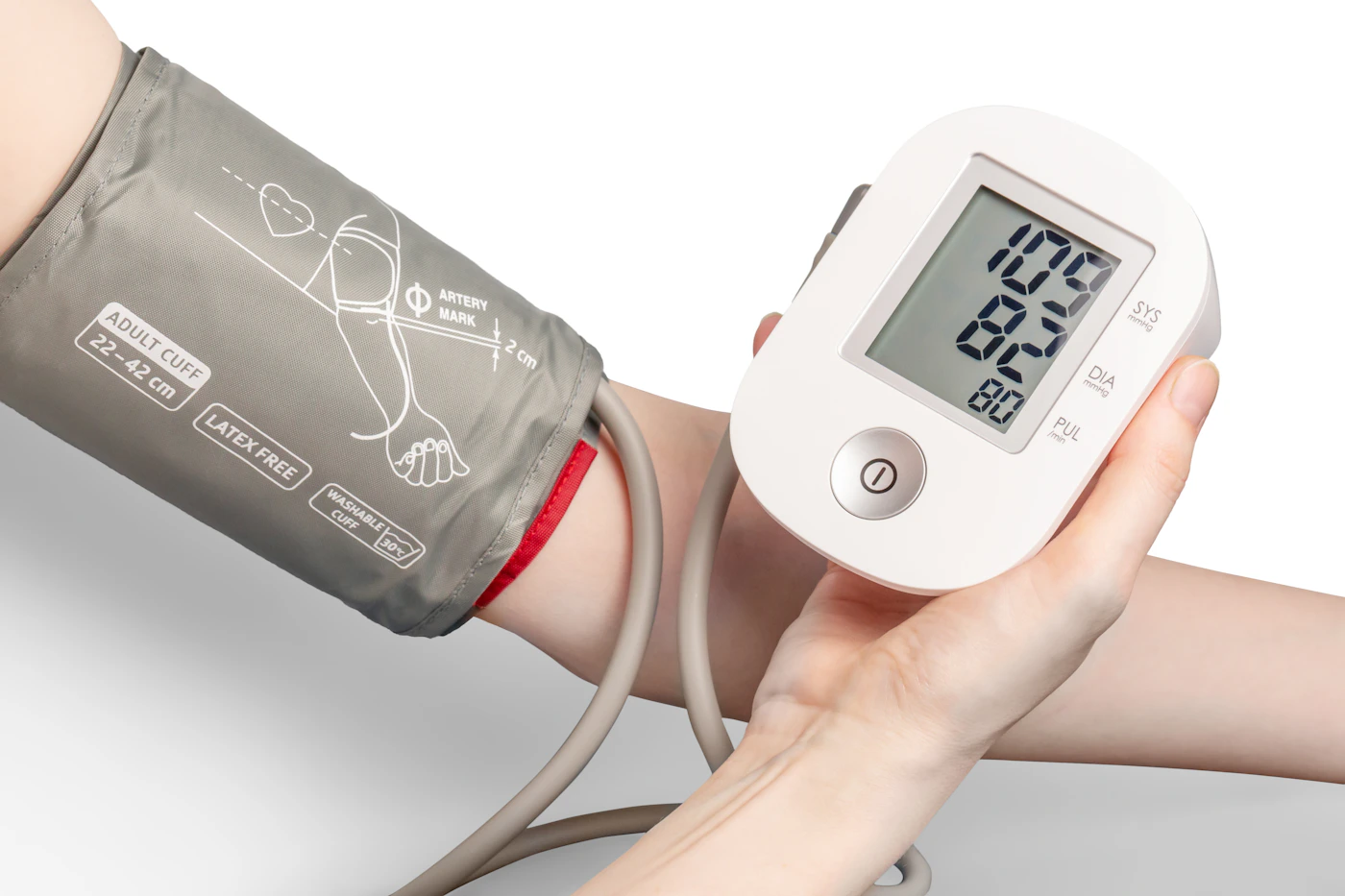
You may not feel that your pressure is high
High blood pressure usually has no symptoms. Over time it can increase the risk of problems involving the heart, brain and kidneys. Feeling well is therefore not a reliable way to check whether your pressure is controlled.
A single measurement does not always establish a diagnosis. Your clinician may ask for repeat readings at home or ambulatory blood pressure monitoring to understand your usual pattern.
Make home readings more useful
Use a validated upper-arm monitor with a cuff that fits. Avoid smoking, caffeine and exercise for 30 minutes beforehand, empty your bladder and rest quietly for at least five minutes. Sit with your back supported, feet flat and arm supported at heart level. Do not talk during the measurement.
Take two readings a minute apart and record both. Follow the schedule agreed with your clinician. Bring your monitor to a visit if you are unsure about its fit or technique.
Record the context, not just the number
Write down the date and time and whether the reading was taken at home or elsewhere. Add a brief note about unusual circumstances or symptoms. Bring the original record rather than selecting only the highest or lowest results.
If you forget a measurement, note the gap and continue the agreed schedule. A simple, honest record is more helpful than a complicated chart that is difficult to maintain.
Review treatment without changing it yourself
Bring the names, doses and timing of your prescribed medicines. Mention side effects, missed doses and any other medicines or supplements. Improved readings are a reason to review the plan, not a reason to stop treatment on your own.
Ask what target applies to you and when to return. Advice may differ according to other conditions, medicines and your overall health. Read our high blood pressure guide for practical appointment questions.
Know when the situation is urgent
A reading above 180/120 mmHg with symptoms such as chest pain, breathlessness, weakness, numbness or a change in vision needs emergency medical care. Do not wait for an online reply. If a very high reading persists without symptoms, contact a healthcare professional promptly for advice.
Severe symptoms can require emergency care even if you do not have a monitor. Do not delay help while trying to obtain repeated measurements.
Bring a clear question to your consultation
You might ask: Am I measuring correctly? What should I do about an unusually high reading? When should we reassess my treatment? A clear plan helps you know what to do between visits.
For a routine review with Dr. Zain Safdar at Ikram Hospital, Gujrat, request an appointment and bring your readings, prescriptions and previous reports.
Sources & further reading
This article is for general information. It is not a diagnosis or a treatment plan and does not replace a consultation. Do not change medicines based on an article or calculator. For urgent symptoms, seek emergency medical care.
PERSONAL ADVICE
Questions about your heart?
Discuss your symptoms and reports with Dr. Zain Safdar, MBBS, FCPS, at Ikram Hospital, Gujrat.
2 PM–7 PM · Sunday Off